





What solution should be implemented when fatigue cracking and crack reflection occur in flexible pavements?
One of the most common problems in road maintenance is the appearance of cracks in flexible pavements. Although in many cases the solution is simply to lay a new layer of asphalt mix, this measure usually provides only a temporary benefit, since existing cracks tend to reappear within a short time, thereby increasing maintenance costs once again.
This phenomenon occurs primarily due to factors such as traffic-induced fatigue, asphalt aging, thermal gradients, loss of subgrade bearing capacity, inadequate sub-drainage, and other issues that affect both the functionality and service life of the pavement.
The question that arises, then, is: How can we prevent cracks from reappearing after a renovation? Below, we present an analysis of the issues highlighted.
What is fatigue cracking?
Fatigue cracking results from the repetitive application of vehicle loads on the pavement structure. With each pass of a vehicle—especially a heavy-duty vehicle—the asphalt layers experience tensile stresses on their underside.
When these stresses are repeated thousands or millions of times, the material begins to lose its ability to resist deformation, creating small cracks that gradually connect to form the familiar alligator-skin crack pattern.
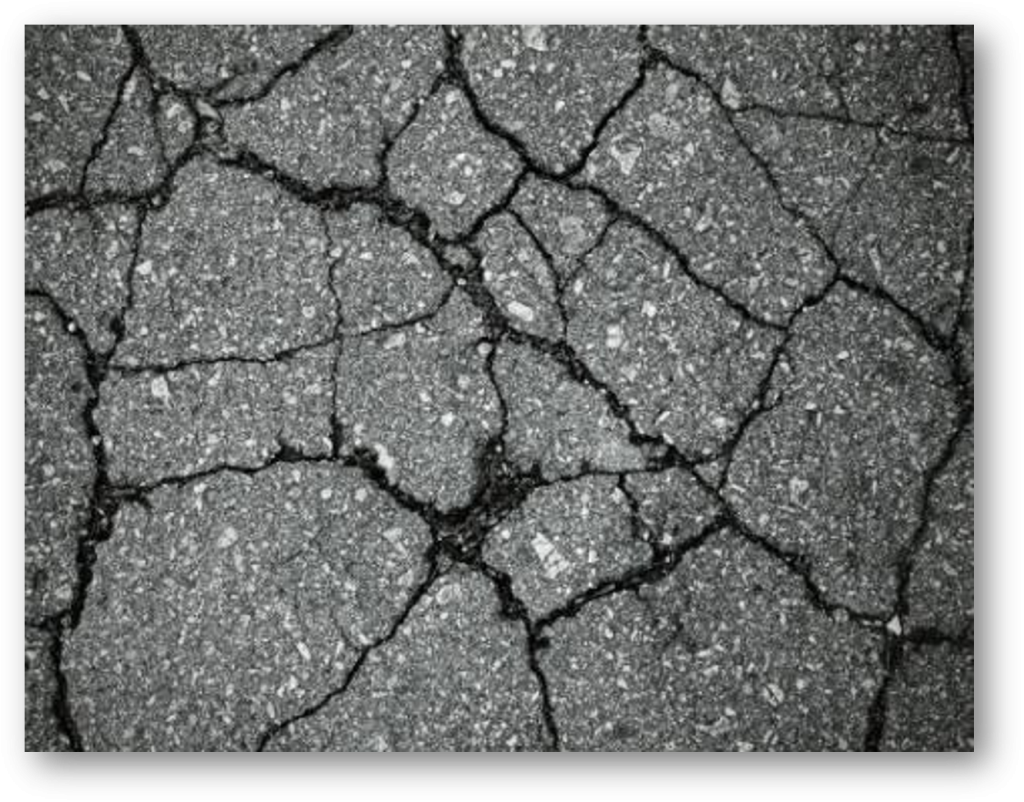
Figure 1. Alligator-skin-like crack pattern in flexible pavement caused by structural fatigue
Generally, this type of deterioration is associated with:
• Insufficient structural thickness.
• High volume of heavy traffic.
• Aged asphalt mixtures.
• Low structural capacity of the subbase or granular layers.
• Poor drainage.
Once fatigue reaches advanced stages, the pavement loses much of its structural capacity and requires more extensive repairs.
What is crack reflection?
Crack reflection occurs when a cracked pavement is overlaid with a new layer of asphalt.
Although the pavement appears to have been renewed on the surface, the old cracks continue to shift due to changes in temperature, humidity, and traffic loads. These displacements generate stress concentrations that eventually propagate into the new layer, reproducing exactly the same cracking pattern.
In many projects, this phenomenon can occur even during the first year after renovation, significantly reducing the useful life of the investment.
Why isn't an asphalt overlay always enough?
For many years, the traditional solution was to increase the thickness of the pavement by adding an asphalt overlay.
Although increasing the thickness partially reduces stresses and increases shear strength, this strategy does not eliminate the mechanism that causes crack reflection. As a result, the cracks eventually reappear, and the new layer begins to deteriorate once again.
This explains why many projects require repeated interventions over relatively short periods of time.
The Importance of Reinforcing Pavements with Geogrids
Currently, one of the most effective ways to extend the service life of pavement rehabilitation projects is to incorporate a geogrid to reinforce the asphalt layers between the existing pavement and the overlay.
This system works by creating a reinforcement layer capable of redistributing the tensile stresses generated by traffic, thereby reducing the concentration of stresses around existing cracks.
In addition, the geogrid limits the opening and propagation of cracks by increasing their path of ascent, thereby increasing shear strength and significantly delaying the crack reflection phenomenon.
Various international studies have shown that this mechanism extends the service life of overlay layers, reduces the frequency of maintenance, and improves the structural performance of the pavement.
How does a geogrid work?
The operation of a geogrid for asphalt mixtures is based on four main mechanisms:
Redistribution of efforts
The geogrid redistributes the stress and shear concentrations generated in cracked areas across a larger area of the asphalt mixture. This reduces localized stresses and slows the rate of crack propagation.
Tensile reinforcement of the asphalt layer
The geogrid absorbs the horizontal tensile stresses induced by repetitive loads, improving fatigue performance and increasing its resistance to cyclic deformation.
Interface shear strength
The open geometry of the geogrid promotes direct contact between asphalt layers, increasing adhesion and shear strength at the interface. This reduces the risk of delamination between layers and improves the structural performance of the pavement.
Performance under cyclic loads
The performance of an asphalt geogrid must be evaluated under actual repetitive loading conditions. Studies conducted at the Texas Transportation Institute (TTI) demonstrated that FORTGRID ASPHALT significantly increases the number of cycles required for crack propagation, thereby improving the durability of the rehabilitation.
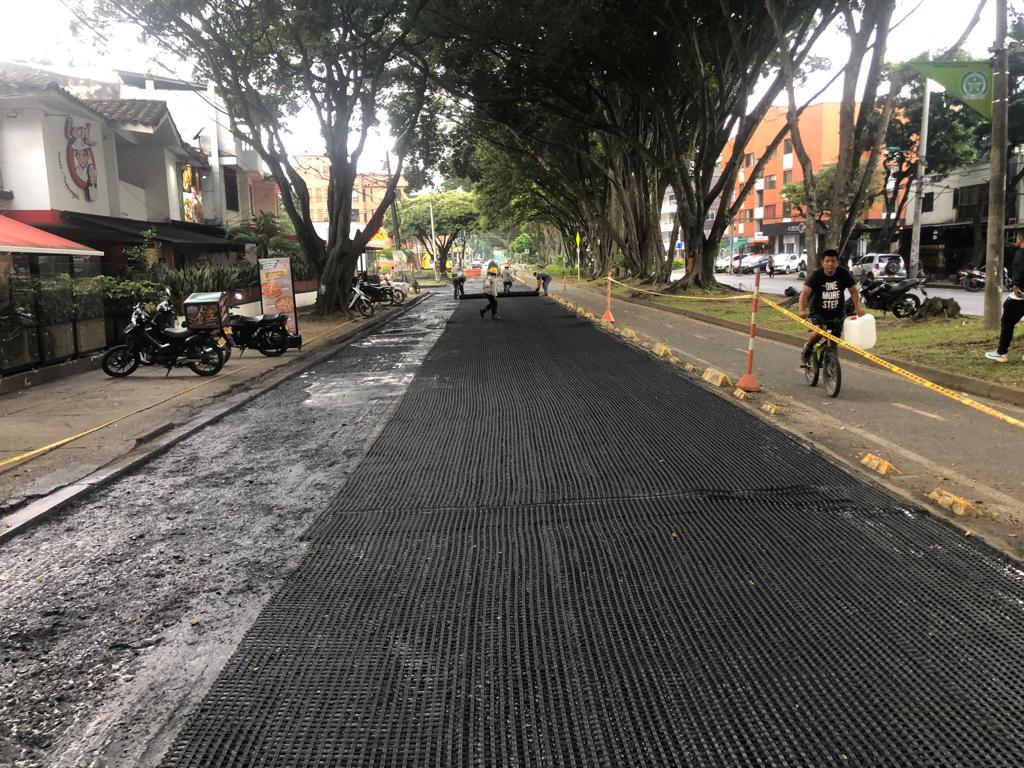
Figure 2. Reinforcing geogrid for pavements installed prior to laying a new asphalt layer
What characteristics should a geogrid for asphalt reinforcement have?
Not all geogrids perform equally well in asphalt applications. To achieve satisfactory results, it is recommended to select products that offer:
• High resistance to cyclic loading.
• High proportion of open space.
• Resistance to high temperatures.
• Excellent adhesion to the asphalt mix.
• High chemical and environmental resistance.
• Stability during the paving and compaction process.
These features allow the system to work in tandem with the asphalt mix throughout the pavement's service life.
Fortgrid Asphalt: a solution to extend the life of the pavement
Among the solutions available for pavement rehabilitation is Fortgrid Asphalt, a geogrid specifically developed to reinforce asphalt mixtures. It is made of high-tenacity polyester multifilament fibers and impregnated with a high-adhesion bituminous copolymer.
Its primary function is to delay the onset of fatigue cracking and minimize crack propagation by redistributing stresses within the asphalt pavement.
Thanks to its high long-term cyclic stress modulus, Fortgrid Asphalt helps improve the structural performance of overlay layers by increasing their shear strength, extending their fatigue life, and reducing rutting, thereby lengthening maintenance intervals and optimizing pavement life-cycle costs.
Depending on the project conditions, this type of solution can be incorporated into urban redevelopment projects as well as high-traffic roads, airports, industrial yards, and logistics hubs.
Conclusion
Fatigue cracking and crack reflection are two of the main causes of premature deterioration in flexible pavements. Although asphalt overlay is still a widely used rehabilitation option, its performance can be limited if the propagation of existing cracks is not controlled.
The use of reinforcing geogrids is a technical solution that improves the structure’s mechanical performance, delays the appearance of new cracks, and helps extend the pavement’s service life.
In projects aimed at reducing maintenance costs, optimizing available resources, and ensuring better long-term performance, the use of specialized systems such as Fortgrid Asphalt represents an efficient and technically sound alternative for the rehabilitation of flexible pavements.
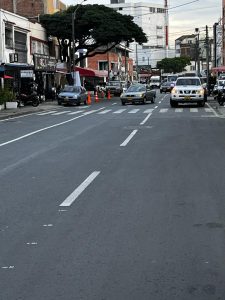
Figure 3. Final result of the rehabilitation of a flexible pavement using a reinforcing geogrid