





Geogrids for Asphalt Layers
Geogrids for Asphalt Layers: Increasing the Durability of Roads
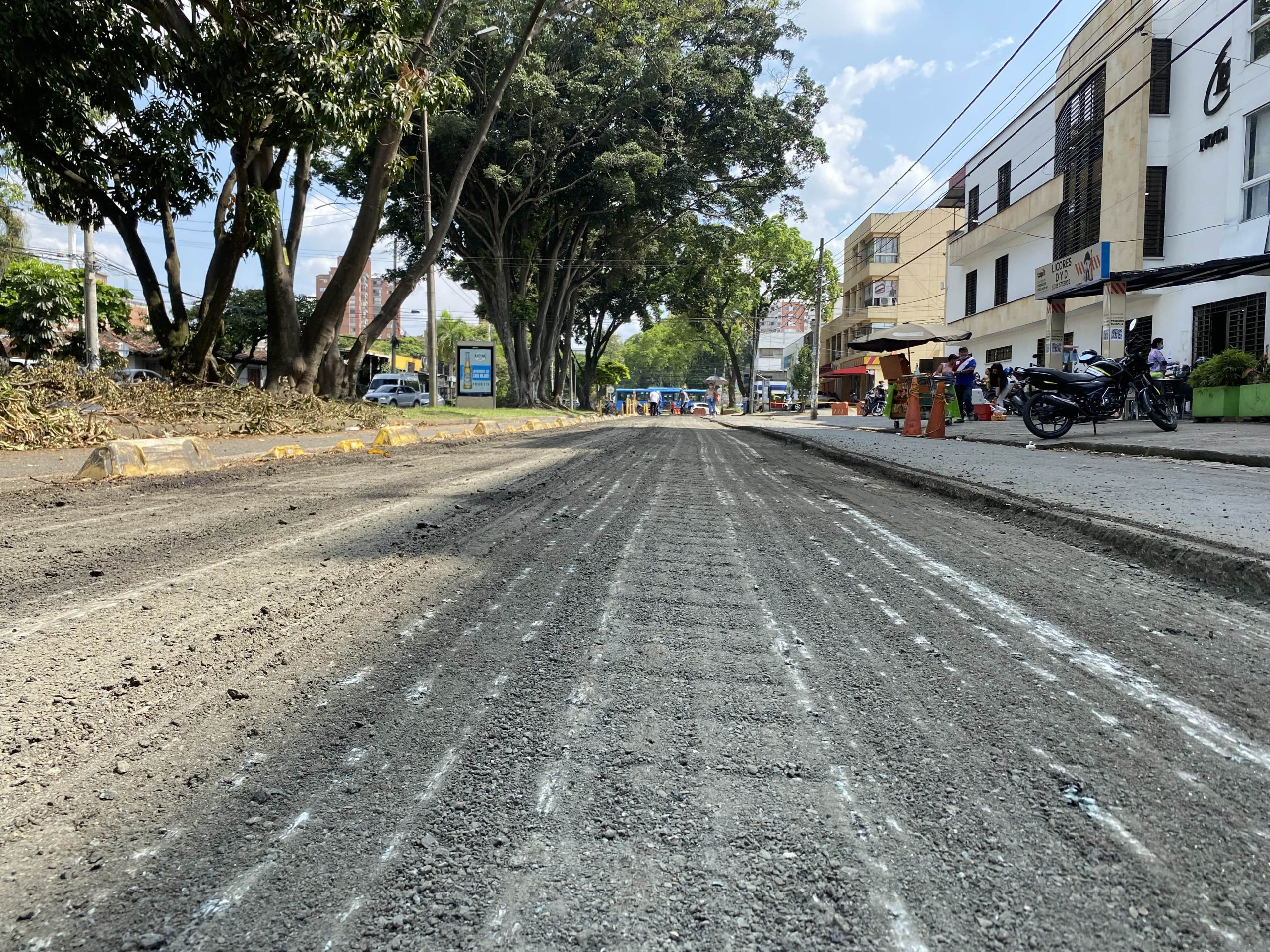
In the world of pavement engineering, one of the most common challenges is dealing with the cracking in asphalt layers. This cracking, often seen in the form of crocodile skin, can occur for a variety of reasons and has been the subject of study in the technical literature. Traffic conditions, thermal gradient, asphalt oxidation, excess moisture, volumetric changes, materials and scope of designs are some of the factors that contribute to these problems.
An effective solution to address this problem is to reinforce the asphalt layers with geogrids. The geogrids for asphalt layers developed by Geomatrix are planar structures manufactured with high tenacity polyester and coated with a bituminous copolymer, with regular openings that give them exceptional mechanical properties. Its main function when reinforcing asphalt layers is to reduce stress concentration and provide resistance to cyclic loading in the asphalt overlays to control the reflection of cracks. The structures formed in this way provide a longer useful life to the pavement by delaying the appearance of cracks and prolonging the life of the asphalt.
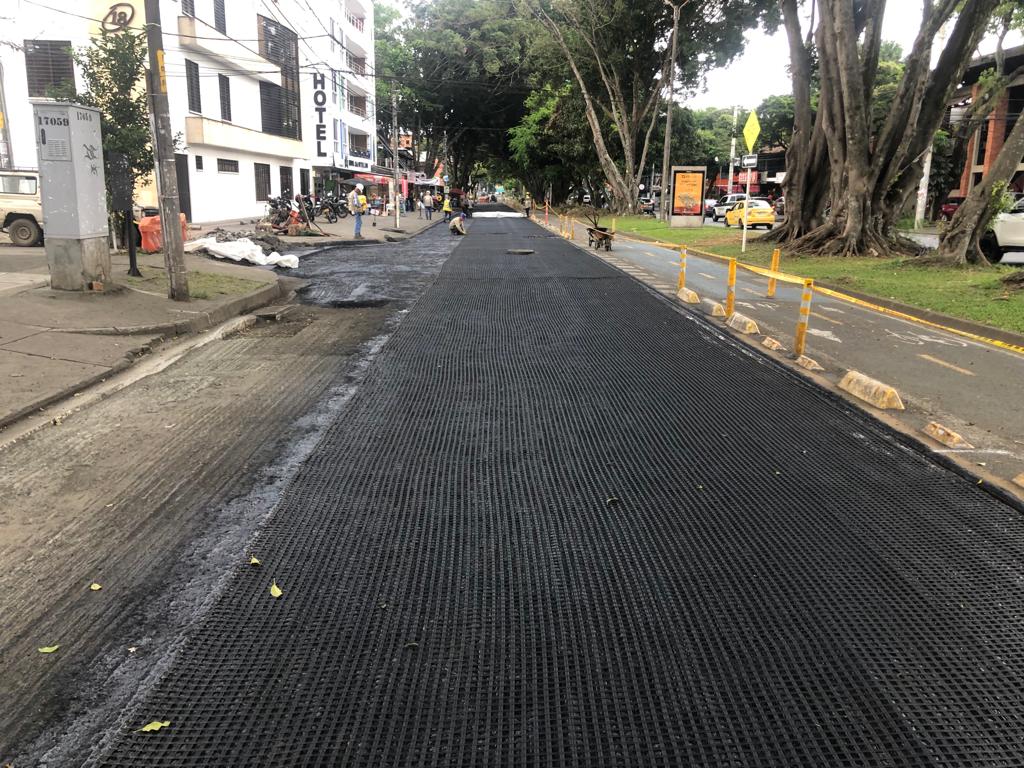
The proper selection of geogrid is essential to guarantee its effectiveness in road rehabilitation. Some factors to consider include resistance to cyclic loading, the efficiency it provides in increasing the load repetitions that the asphalt overlay, compatibility with asphalt materials and dimensional stability over time. Another crucial aspect to take into account is the size of the openings, which must be large enough to allow good interaction with the asphalt mixture aggregate and maximize the adhesion or bond between the layers.
Regarding its installation, the geogrid is placed at the interface between the existing cracked asphalt layer and the new asphalt layer on a previously placed asphalt bond irrigation. The geogrid thus adhered is ready to receive the asphalt overlay, tolerating the operation of construction equipment. Applying direct pressure with a compactor to the geogrid maximizes its adhesion.
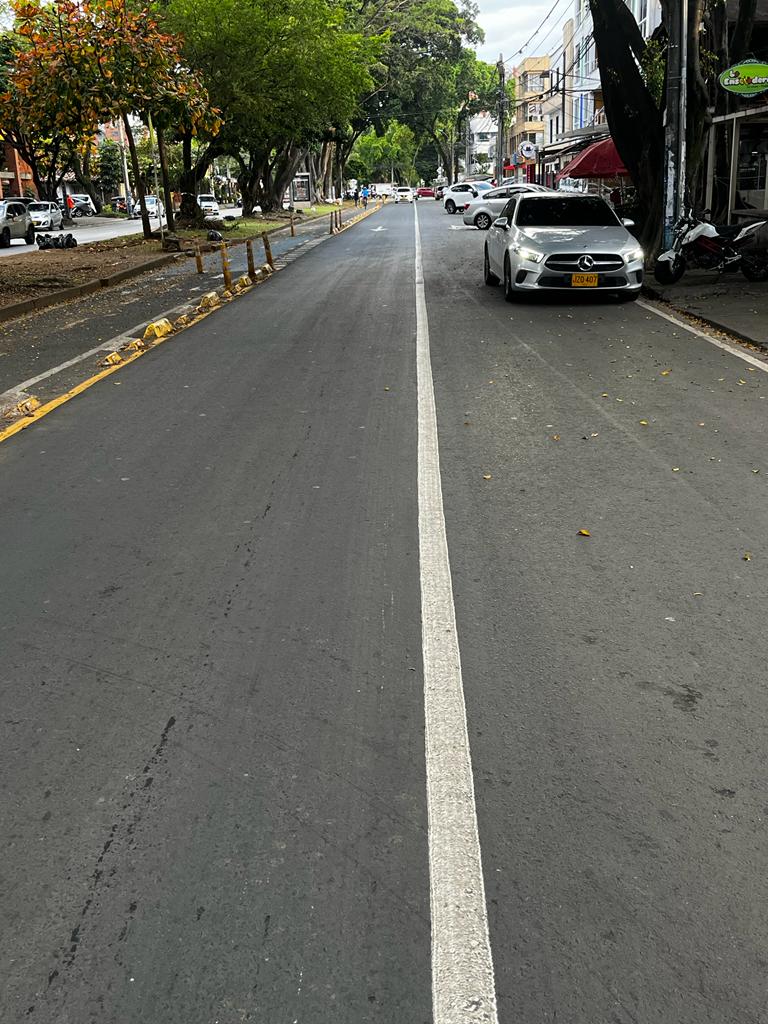
From a cost perspective, geogrids offer a cost-effective long-term solution. Although they may have a higher initial cost compared to other options, their ability to extend the life of the pavement and reduce maintenance costs over time makes them a more profitable investment.
In conclusion, geogrids for asphalt layers represent an innovative and effective technology to improve the durability and resistance of roads. By selecting and installing the appropriate geogrids, highway authorities, highway engineers, and pavement engineers can ensure stronger pavements, reduce maintenance costs, and improve road safety. These advanced solutions not only offer technical benefits, but also contribute significantly to the sustainability and efficiency of road infrastructures around the world.