





Reinforced Floor Walls: Success Stories and Applications
In modern civil engineering, the construction of retaining walls with reinforced soil has become an efficient and economical solution to stabilize land and build robust infrastructure. In this article, we will explore emblematic cases of completed projects and their positive impact on local infrastructure.
Project 1: Oil platform in Cira Infantas
Context and Challenges
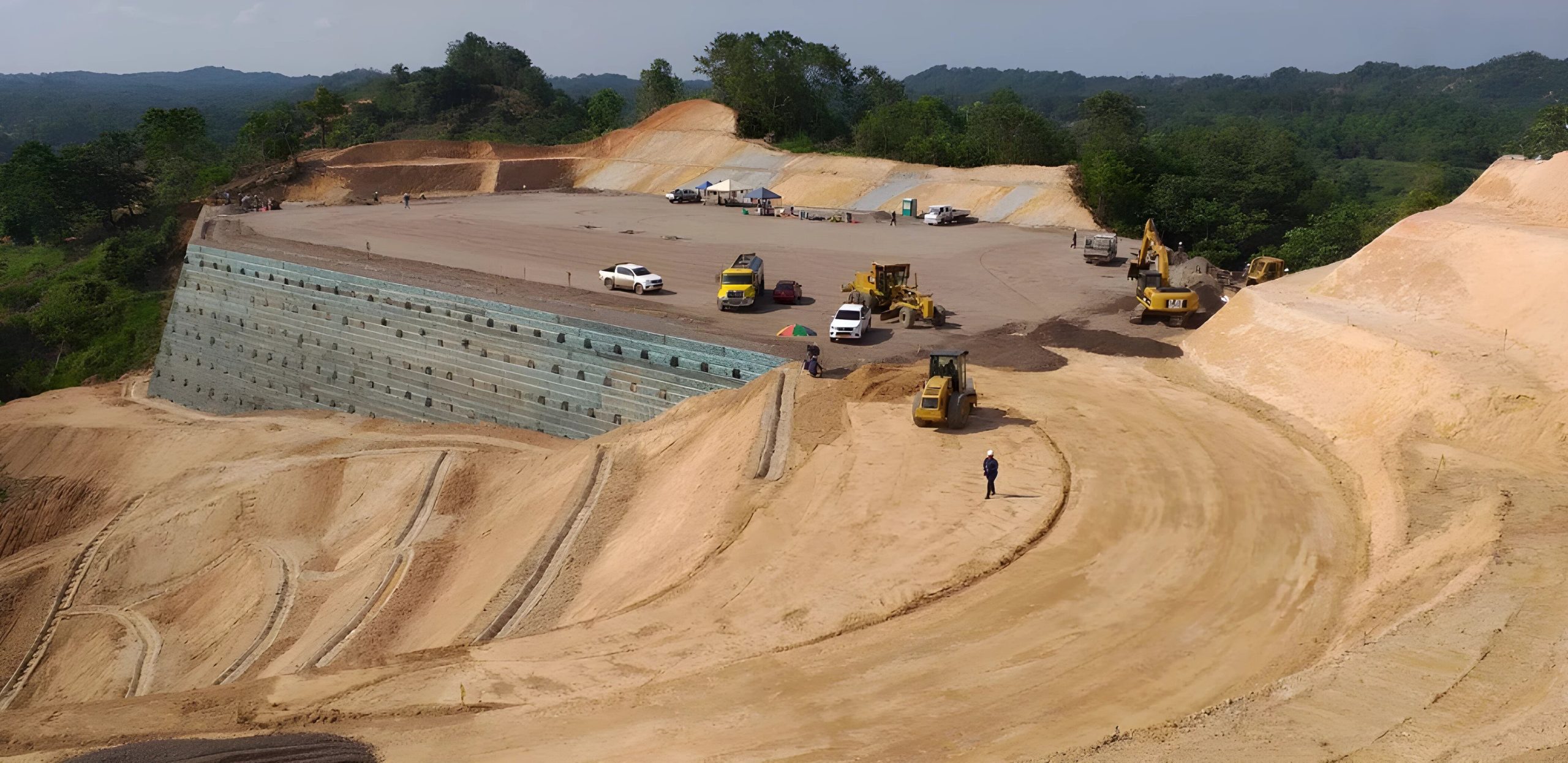
The first project is located in the Cira Infantas oil field in Barrancabermeja, Santander. The main objective was to repower platform 33-26 by drilling new oil wells, which required the construction of a reliable and low-cost mid-slope retaining wall.
Proposed Solution
Initially, the formation of an embankment using gabion walls was proposed. However, this solution did not offer the necessary stability or efficient construction performance due to the lack of suitable material in the vicinity. The final proposal was the construction of a soil retaining wall reinforced with geogrids, using the material from the cut, achieving variable heights between 2.5 and 18.5 meters.
Project execution
The construction of the wall was completed in three months, working in collaboration with Occidental Andina and Ecopetrol. High-strength geogrids were used (reference 50, 100 and 165 kN/m), which allowed the industrialization of the construction process. In addition, an advanced subdrainage system was implemented with PERMADRAIN 450 geodrain to keep the backfill dry and manage its high sensitivity to humidity changes.
Results
The reinforced soil wall not only provided the necessary structural stability for the platform, but was also completed in record time, ensuring a durable and robust infrastructure that also brought great benefits in terms of reduced volumes of excavation material and transportation to the site.
Project 2: Hillside Stabilization in Sevilla, Valle del Cauca
Context and Challenges
The second project was developed in Sevilla, a municipality in Valle del Cauca, where the instability of a hillside in the sector known as La Cristalina affected the road that connects with the town of La Uribe and the road that leads to the sector known as La Milonga. The landslide was associated with the high rainfall that occurred during the winter season of December 2011, which saturated the soil. The Governor's Office of Valle del Cauca, in view of the obvious urgency that was generated, sought a solution that would guarantee long-term safety.
Proposed Solution
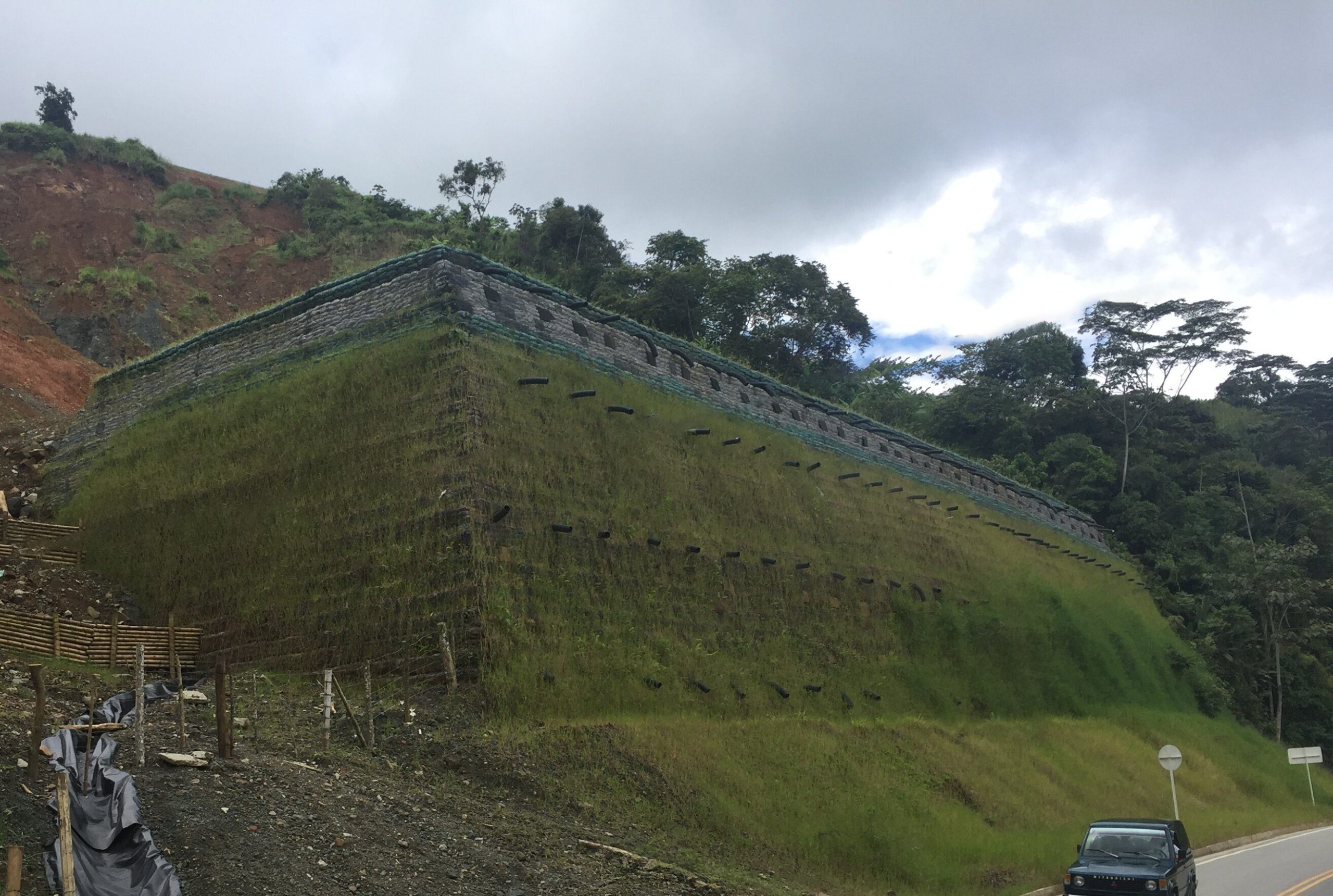
The construction of a reinforced soil retaining wall was proposed on the landslide leg on the edge of the road, with a uniform height of 18 meters, which included the construction of a surface water collection and management system, as well as a land subdrainage system and erosion control works on the gully of the landslide.
Project execution
The construction time of the wall was 10 months, during which work was carried out with high-strength polyester geogrids and combined subdrainage systems. The wall was located to function as a retaining structure to ensure the safety of road users, working as a stabilizing mass by counterweight stabilizing the slope.
Results
The work constituted a definitive solution to the instability problem, guaranteeing the safety of the intermunicipal road. In addition, the hillside was revitalized in a natural way, with the vegetation of the site gradually covering the surface resulting from the landslide and the facade of the wall, integrating harmoniously with the surroundings.
Applications in Latin America
Costa Rica, Ecuador and Panama
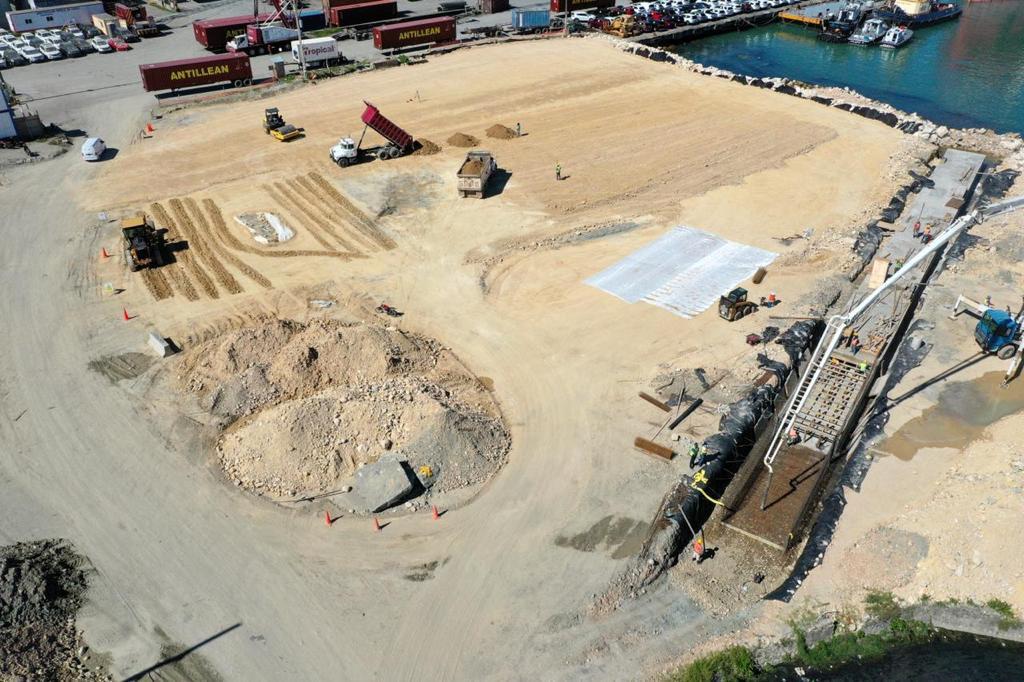
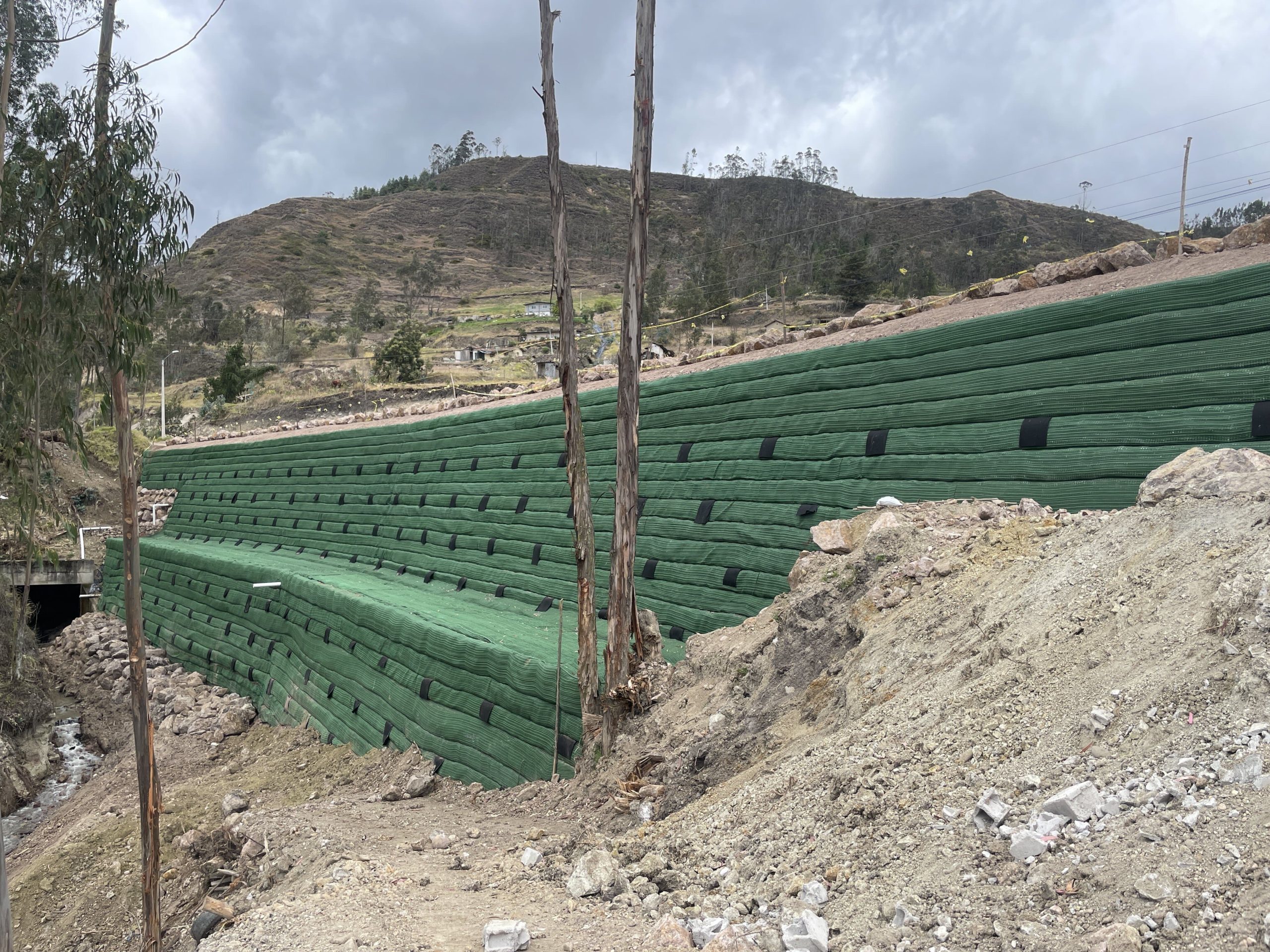
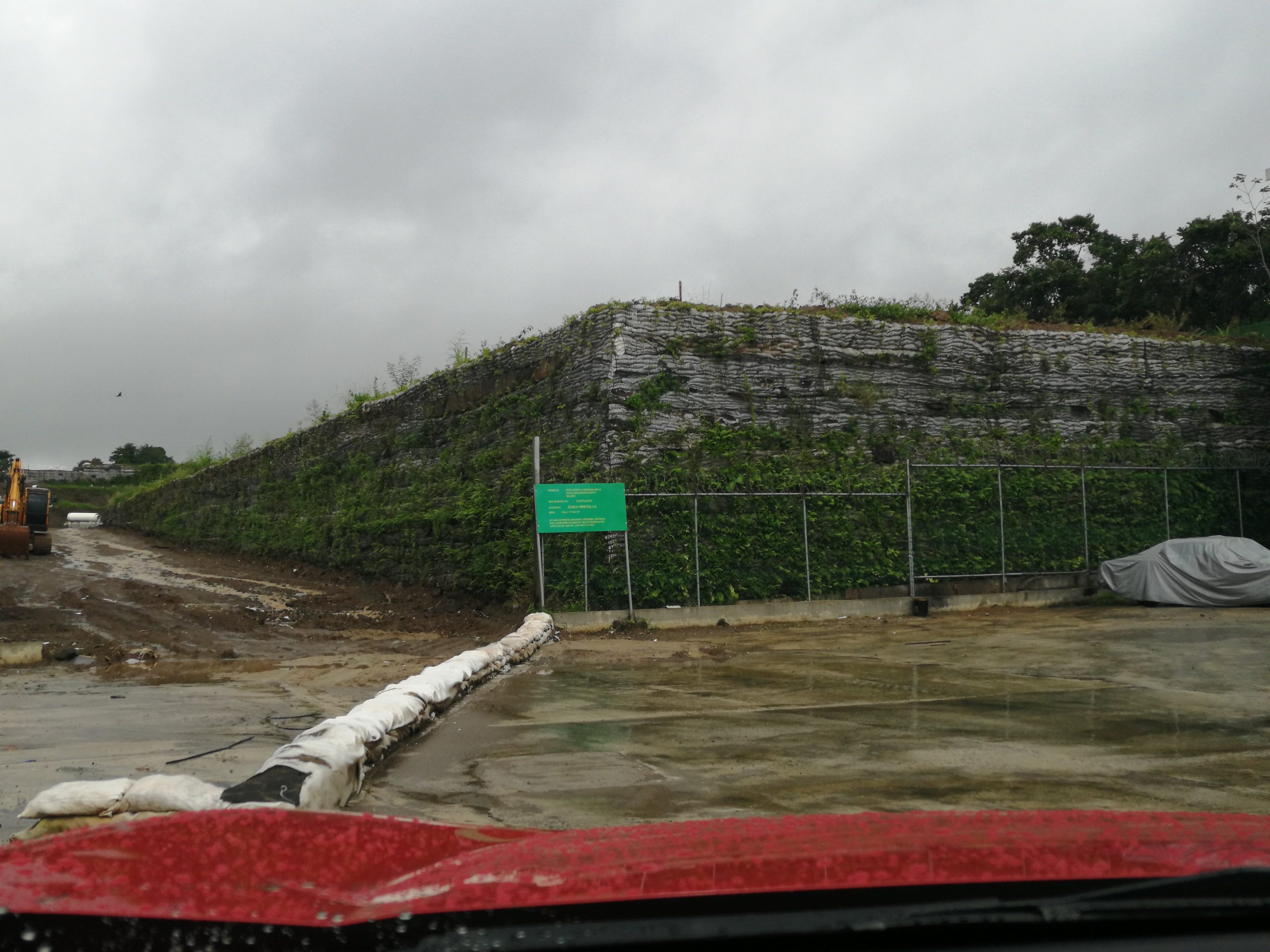
The experience acquired in Colombia has been replicated in other Latin American countries. In Costa Rica, a 16.5 meter temporary wall was built for a crossing between the provinces of San José and Heredia. In Ecuador, two electrical substations were built in Guayas and a major stabilization in Cuenca, using embankments and reinforced soil retaining walls. In Nicaragua, bench loss problems were solved by means of reinforced soil retaining walls associated with the damage caused by Hurricane Iota in the Telpaneca sector, and in Panama City, a retaining wall was built as an approach ramp to bridges on the Cinta Costera, demonstrating the versatility and effectiveness of this technology.
Conclusion
Reinforced soil wall projects have not only proven to be effective and economical solutions, but have also provided important lessons learned and experiences that are being applied throughout Latin America. These robust infrastructures not only ensure the stability of the constructions, but also integrate respectfully with the environment, offering durability and efficiency in each project. Construction of retaining walls with reinforced soil